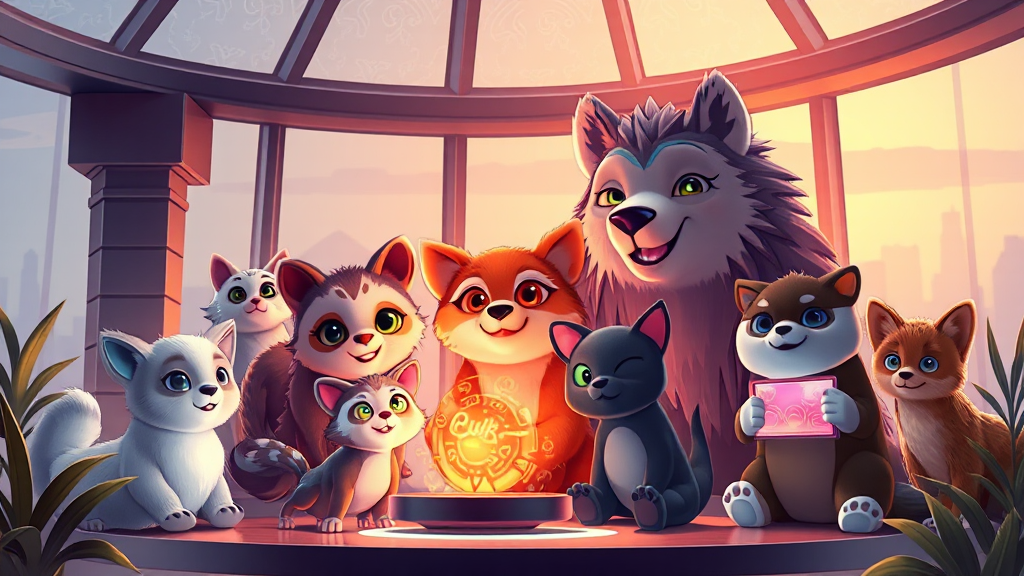
How furry AI characters are reshaping digital companionship and creative storytelling
Digital characters have moved far beyond static avatars. Today, furry AI characters represent one of the most active creative frontiers online, blending fandom culture, conversational AI, and personalized storytelling into something that feels genuinely new. Instead of simply watching a character in a game or a comic, users can now talk with them, shape their personalities, and build ongoing relationships that evolve over time.
The appeal is easy to understand. Furry characters have always been about identity, expression, and community. When you add modern language models to that tradition, you get companions who can remember details, respond in character, and adapt to the tone of a conversation. That combination has turned a niche interest into a mainstream curiosity, drawing in writers, artists, roleplayers, and anyone who enjoys imaginative interaction.
What exactly are furry AI characters?
At their core, furry AI characters are anthropomorphic animal personas powered by artificial intelligence. They might be a witty fox detective, a gentle wolf healer, or a chaotic raccoon inventor. What separates them from ordinary chatbots is context: they have backstories, speech patterns, quirks, and often visual designs that users can customize. The AI gives them the ability to hold a conversation, while the furry framing gives that conversation personality and warmth.
Most platforms that host these characters let users browse by species, personality type, or theme. Some focus on romance, others on adventure, and many simply offer open-ended companionship. The result is a flexible format that works for short casual chats and long-running narrative arcs alike.
Why furry AI characters are gaining popularity
Several forces are pushing furry AI characters into the spotlight. First, the furry community has always been early to adopt new creative tools. From early internet forums to VR chat spaces, furries have consistently built rich digital identities. AI is a natural next step.
Second, conversational AI has become dramatically better at staying in character. Earlier chatbots broke immersion constantly, but modern models can maintain a persona across long sessions. That reliability makes roleplay feel less like a gimmick and more like a genuine hobby.
Third, people are increasingly comfortable with AI as part of daily life. Using an AI assistant for work is normal, so using one for fun or emotional support no longer feels strange. Furry AI characters sit at the intersection of utility and play.
Designing a character that feels alive
The best furry AI characters are not just generic animals with a name attached. They have specific traits that guide every response. A character might speak in short, clipped sentences, avoid certain topics, or have a favorite hobby they bring up often. These details create consistency, and consistency is what makes a character feel real.
Visual design matters too. Even in text-only chats, users often imagine their companion’s appearance. Platforms that offer avatar customization or detailed character cards help users anchor that mental image. Over time, the character becomes more than a prompt; it becomes a persona with a recognizable voice.
Writers and worldbuilders often use these tools to test dialogue before committing it to a story. Instead of guessing how a character would react, they can ask the AI version and see what emerges. This makes furry AI characters useful for creative professionals as well as hobbyists.
The role of furry ai chat in daily interaction
For many users, the real draw is furry ai chat. It is one thing to read about a character; it is another to have a conversation that responds to your mood, your jokes, and your questions. Good furry AI chat feels less like querying a database and more like texting a friend who happens to be a dragon.
These conversations can serve different purposes. Some people use them for pure entertainment, exploring silly scenarios or dramatic storylines. Others use them for comfort, especially when they want low-pressure social interaction. And some use them for practice, testing how a character concept lands before sharing it with a wider audience.
The asynchronous nature of chat is part of the appeal. You can pick up a conversation at any hour, pause when you need to, and return later without losing the thread. That flexibility fits modern schedules far better than scheduled roleplay sessions with other people.
Community, creativity, and shared worlds
Furry AI characters do not exist in a vacuum. They are part of a broader ecosystem of fan art, fan fiction, and collaborative worldbuilding. Users share character concepts, swap prompt ideas, and celebrate particularly memorable interactions. This community layer is what keeps the trend growing rather than fading.
Platforms like crushon have made it easier to discover and interact with these characters, giving newcomers a gentle entry point while offering depth for experienced users. The combination of discovery tools and customization options means there is always something new to try.
Collaboration also happens across media. An artist might design a character, a writer might give them a backstory, and an AI enthusiast might bring them to life in conversation. Each contribution adds a layer, and the final character feels richer because of it.
Ethical and practical considerations
As with any emerging technology, there are questions worth thinking about. How transparent should platforms be about the fact that a character is AI? What happens when users form strong emotional attachments? How do creators protect their original characters from unauthorized use?
Most responsible platforms address these issues through clear labeling, community guidelines, and tools for reporting misuse. Users, for their part, benefit from remembering that an AI companion is a creative tool, not a replacement for human relationships. Used thoughtfully, furry AI characters can be a source of joy and inspiration without becoming a source of isolation.
There are also technical limits. AI characters can drift out of character, forget details, or generate responses that do not fit the established lore. Good platforms build in memory features and editing tools to reduce these problems, but some friction is inevitable. Understanding that helps users set realistic expectations.
What the future might hold
The next few years will likely bring more sophisticated memory, better voice integration, and richer visual customization. Imagine a furry AI character who remembers your last conversation, speaks with a consistent voice, and appears in a stylized avatar that reflects their mood. Some of this already exists in early form, and the pace of improvement is rapid.
We may also see more crossover with games, virtual worlds, and creative writing tools. A character could move from a chat window into a story outline, or from a roleplay session into a collaborative art project. The boundaries between media are becoming more porous, and furry AI characters are well positioned to move across them.
For now, the appeal remains simple: it is fun to talk with a character who feels designed just for you. Whether you are exploring a new hobby, developing a story, or simply looking for a friendly exchange, furry AI characters offer a surprisingly rich experience.
FAQ
What makes furry AI characters different from regular chatbots?
Furry AI characters combine anthropomorphic design with persistent personality traits, backstories, and often visual customization. Regular chatbots tend to be generic assistants, while furry AI characters are built for immersive, character-driven conversation.
Do I need to be part of the furry community to enjoy them?
Not at all. Many users are simply curious about AI companionship, roleplay, or creative writing. The furry framing adds charm and variety, but the core appeal is the conversation itself.
Can furry AI characters help with creative projects?
Yes. Writers, artists, and game designers often use them to test dialogue, explore character dynamics, and brainstorm scenarios. The AI can generate responses that spark new ideas or reveal inconsistencies in a draft.
Are furry AI characters safe to use?
Safety depends on the platform. Reputable services provide clear guidelines, content moderation, and privacy protections. Users should choose platforms that are transparent about how data is handled and that offer tools for reporting problems.
How do I get started with furry AI characters?
Start by exploring a platform that hosts them, browse character categories, and pick one that matches your interests. Most sites let you begin a chat immediately, and you can adjust the character’s personality over time as you learn what you enjoy.
Readers who are interested in this topic will benefit from exploring multiple perspectives and understanding the nuanced approaches that industry leaders recommend. Taking time to research thoroughly ensures better outcomes and more informed decision-making.
Those looking to gain deeper knowledge in this area should consider following expert analysis, staying updated with the latest developments, and engaging with professional communities where these topics are discussed in detail.
A comprehensive understanding of this subject requires looking at both theoretical foundations and practical applications. By combining study with hands-on experience, learners can develop a well-rounded perspective that serves them well in real-world scenarios.
As the landscape continues to shift and evolve, staying informed about emerging trends and best practices becomes increasingly valuable. This ensures you remain competitive and capable of adapting to new challenges as they arise.